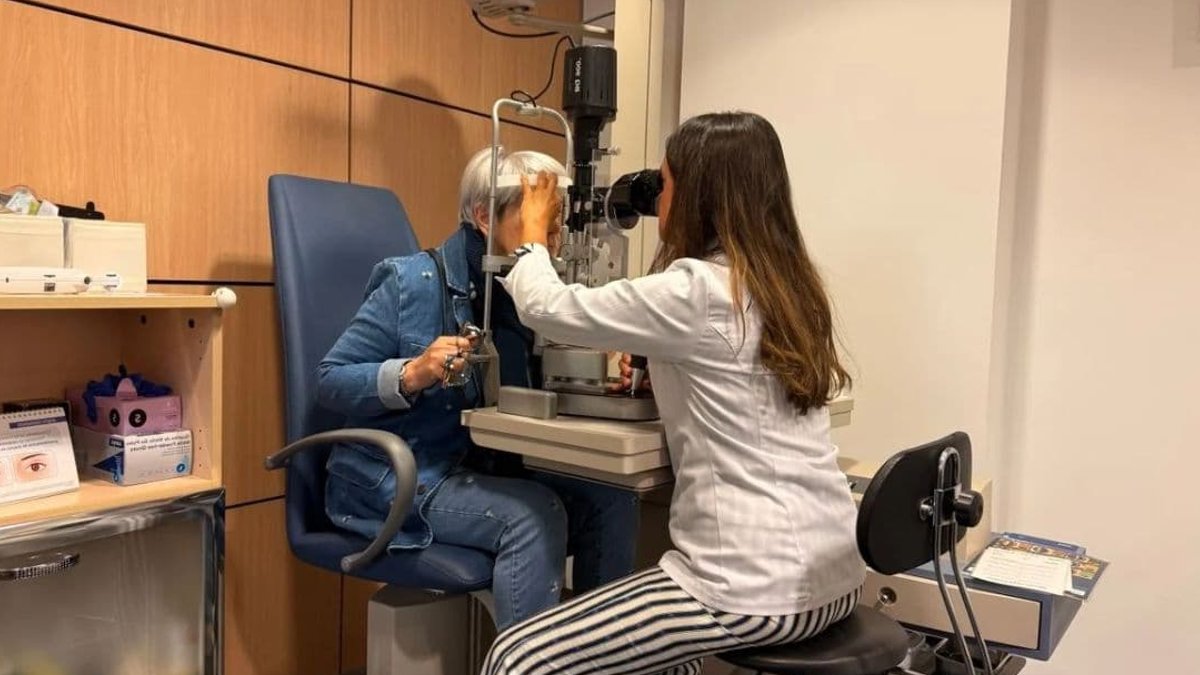
Canadian ophthalmologists are urging health authorities to investigate routine eye screenings for women taking tamoxifen, following research that found most patients do not receive regular retinal exams despite a higher risk of eye damage. The findings, published this week in JAMA Ophthalmology, reveal a significant gap in care for women using the drug.
Low Uptake of Eye Exams
The researchers analyzed data from the National Institutes of Health’s All of Us Research Program to determine how often optometrists and ophthalmologists encounter women prescribed tamoxifen. Only 7% of women had an eye exam within a year of starting treatment. Among 2,327 women in the dataset, just 162 had seen an eye care professional, and only 1.7% had undergone a retinal examination in the 12 months after their first dose.
In contrast, patients taking hydroxychloroquine, a lupus medication with a lower retinopathy risk in early use, are routinely offered annual screenings, with at least half attending. No such guidelines currently exist for tamoxifen users.
Risks and Uncertainties
Tamoxifen blocks estrogen receptors and is used alongside cancer treatments for certain breast cancers. The drug can cause retinal toxicity, leading to conditions like crystalline maculopathy and cystoid macular edema, which may result in permanent vision loss. Studies suggest up to 12% of women on a standard 20 mg daily dose develop eye problems after two years.
Because research on tamoxifen-related retinopathy remains limited, doctors lack clarity on its true prevalence, early symptom timing, and patient awareness of screening needs. The low rate of eye appointments identified in the study raises serious concerns about underdiagnosis and delayed treatment.
Monitoring Gaps Raise Concerns
The study’s authors, led by Siddharth Gandhi of Queen’s University, Ontario, emphasize the need for further research into incidence rates and screening strategies. While waiting for evidence to guide practice, they recommend all tamoxifen users maintain regular vision care, including retinal exams.