On Tuesday, MedPacto revealed that its experimental medication, MP010, had yielded promising results in mice, demonstrating complete tumor responses and enduring immune protection against various cancer types, including those introduced subsequently. These findings were prominently featured as the cover story in the November edition of Cancer Cell. Notably, this research marks a milestone as the first instance where scientists have successfully shown that targeting TGF-β within the tumor microenvironment can support immune memory, thereby safeguarding against both the initial cancer and other types of cancer.
Focusing on the Tumor Microenvironment
MP010 exhibits selective binding to extra domain-B fibronectin (EDB-FN), a protein that is abundantly expressed in the tumor microenvironment of numerous solid cancers. Furthermore, it targets TGF-β, a factor that contributes to immune evasion and metastasis. The study, titled “A Stroma-Sensing TGF-β Blockade Reprograms CAF–Myeloid Niches to Induce Durable Tumor Immunity,” looks into the mechanisms by which this approach reshapes the tumor microenvironment, ultimately promoting sustained immune responses.
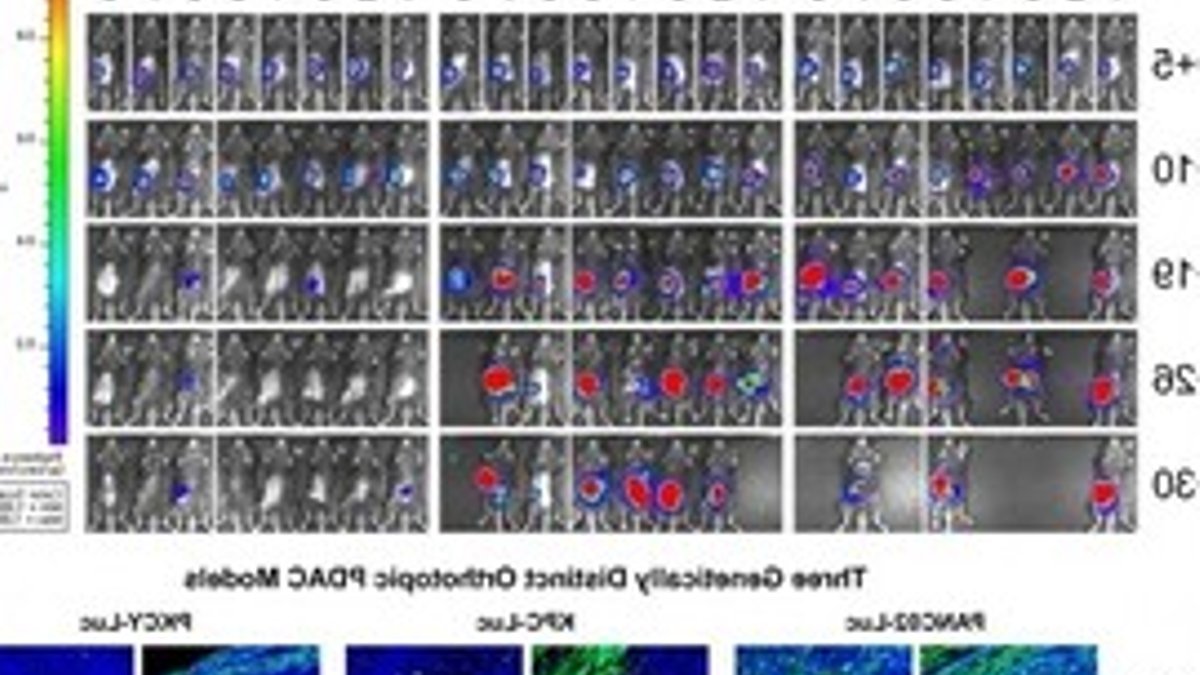
In experiments involving three mouse models of pancreatic cancer, which are notoriously resistant to treatment, MP010 achieved complete response rates ranging from 75.0 to 87.5 percent, alongside a long-term survival rate of 87.5 percent. Remarkably, when mice that had undergone complete regression of their pancreatic tumors were re-exposed to the same cancer cells, none developed new tumors. Moreover, over 80 percent of these mice remained tumor-free even after being challenged with cells from a different pancreatic cancer or from lung or bladder cancer, showing the robust nature of this protection.
According to the researchers, this enduring protection can be attributed to alterations in the immune environment surrounding the tumors, as well as the synergistic roles of CD4+ and CD8+ T cells in establishing long-term immune memory. This implies that, for patients, targeting the tumor’s surrounding environment, rather than solely focusing on the cancer cells themselves, could provide a more full defense against recurrence and future malignancies.
Future Directions for Clinical Trials
MedPacto Chairman Kim Seong-jin, who spearheaded the study, noted, “Cancer cells secrete TGF-β to disable the immune system and reshape their surroundings to support tumor growth and protection.” He added, “Our research showed that inhibiting TGF-β around tumors could produce complete tumor responses and lasting immune effects.”
CEO Woo Jung-won emphasized that the results suggest TGF-β inhibitors could have broader applications in cancer treatment by inducing immune memory. MedPacto is currently finalizing preparations for an investigational new drug application, including toxicity study results, and plans to conduct clinical trials in both Korea and the U.S., with the aim of securing regulatory clearance in early 2027.
MedPacto is also engaged in discussions regarding joint research and potential early licensing agreements for MP010 with several global pharmaceutical companies. The medication has received government research funding, having been selected for support under the Korea Drug Development Fund’s second funding round for 2025. Chairman Kim, a former tenured senior investigator at the U.S. National Institutes of Health (NIH) and an adjunct professor at Yale School of Medicine, led the research effort. Kang Dong-woo, head of MedPacto’s Research Division 1, served as the first author, and 11 other company researchers contributed as co-authors.