Cancer-sniffing dogs are proving to be a promising tool in the fight against lung cancer. Canine scent detection is 10,000 times more powerful than that of humans, making dogs an invaluable asset in early cancer detection.
A 2021 study published in the journal BMC Cancer found that a Golden Retriever could accurately identify lung cancer from breath and urine samples with a success rate of 78% and 88%, respectively.
How the study worked
Researchers in Darmstadt, Germany, conducted a double-blind, randomized controlled trial to test the dog’s abilities. They collected breath and urine samples from 432 patients, including 41 with lung cancer and 391 healthy controls for testing, and 36 patients with lung cancer and 150 control volunteers were used for training.
The dog, a seven-year-old Golden Retriever, was trained using the clicker method, receiving a treat and a click for correct identifications. The researchers took great care to standardize sample collection, using sterile jars and ensuring all staff wore masks, gowns, and gloves to avoid contamination.
The results
The Golden Retriever performed well, identifying 32 out of 41 cancerous breath samples and 88% of cancerous urine samples. The dog found it easier to detect small cell lung carcinomas and more advanced cancers, although these differences were not statistically significant.
Interestingly, the dog’s performance was comparable to other screening tools like bronchoscopy and breath tests, but fell short of CT scans and biochemical tests, which had success rates of 100% and 93%, respectively.
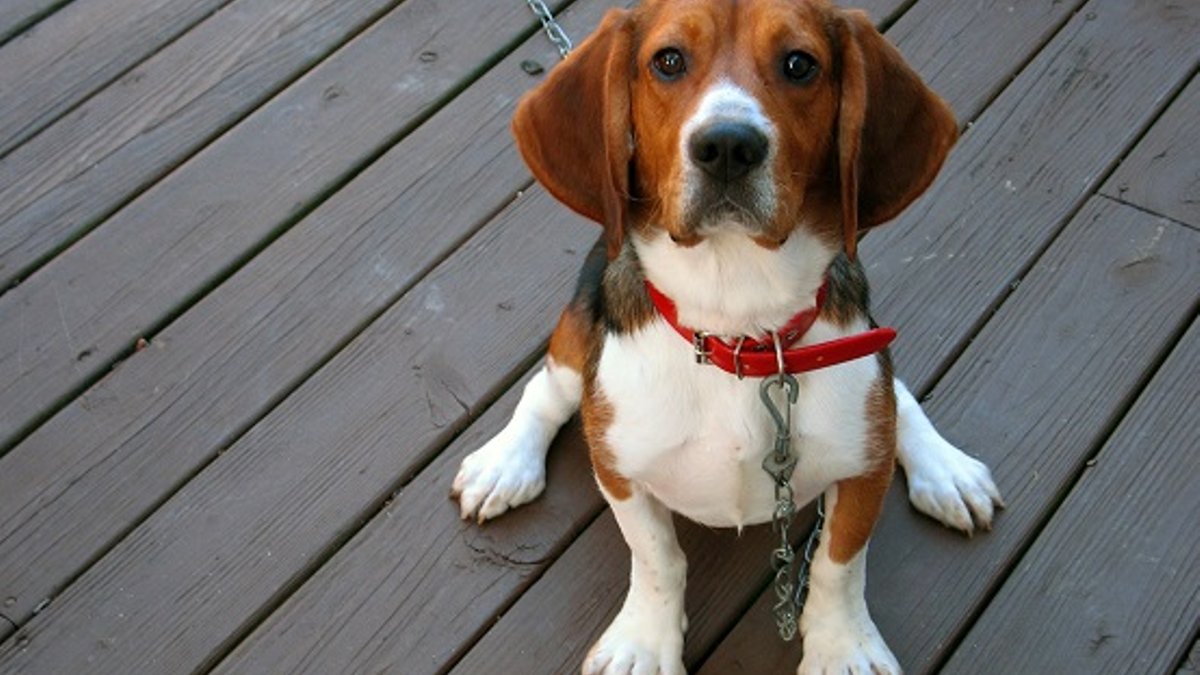
In 2019, researchers at the Lake Erie College of Osteopathic Medicine in Florida trained four Beagles to distinguish between blood serum samples from non-small cell lung cancer patients and healthy controls.
The Beagles, trained using clicker training, achieved a remarkable 97% accuracy rate in a double-blind study. One dog was removed from the study due to poor response to training, but the remaining three consistently identified cancerous samples.
Lung cancer is the leading cause of cancer-related death worldwide, and early detection is key for improving survival rates.
The 2019 study was published in the Journal of the American Osteopathic Association, while the 2021 study appeared in BMC Cancer, highlighting the growing body of research supporting the use of canine scent detection in cancer diagnosis.
The Role of Scent Hounds
Scent hounds, a family of dogs bred for their exceptional olfactory abilities, play a key role in cancer detection. Beagles, with their 225 million smell receptors, far surpass humans’ 5 million receptors, making them ideal candidates for this task.
Future Implications
While cancer-sniffing dogs are not expected to replace traditional screening methods, their contributions to research are invaluable. By identifying specific volatile compounds associated with cancer, dogs help scientists develop new screening tools.