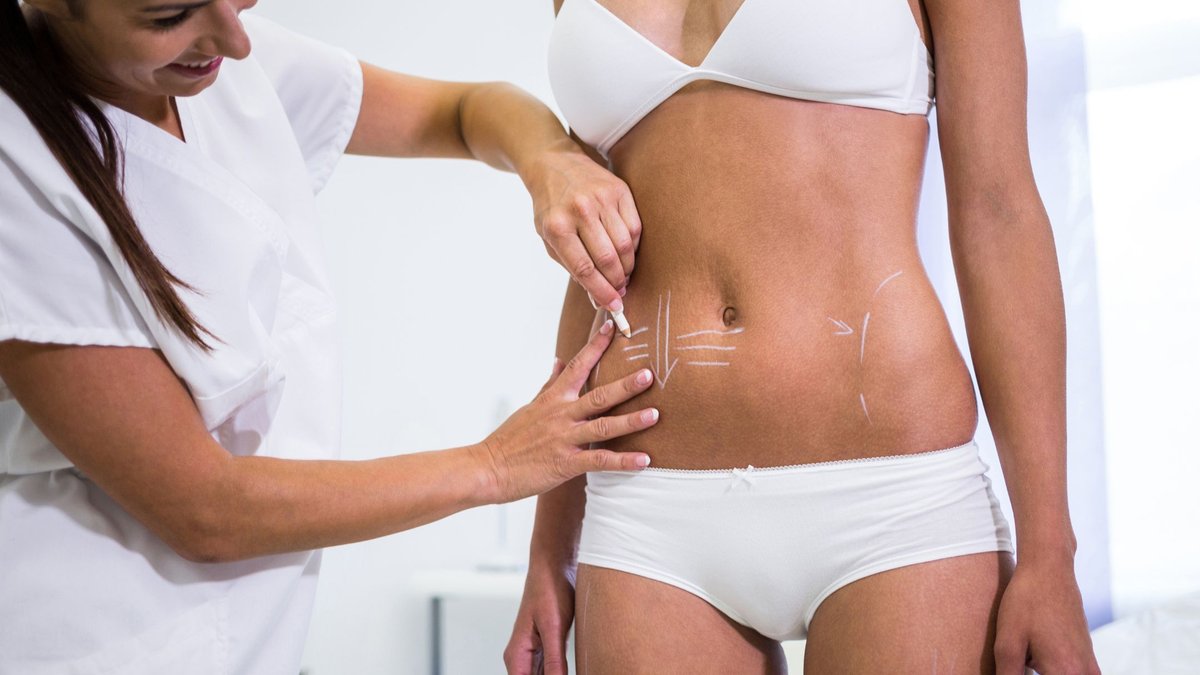
A tummy tuck, or abdominoplasty, is a cosmetic procedure that tones and smooths the abdomen by removing excess fat and skin, and tightening muscles. It’s not a substitute for diet and exercise, and carries risks like any surgery. This guide outlines all the criteria to consider and showcases 5 of the best tummy tuck surgeons located in, and servicing the Main Line and Philadelphia.
Philadelphia’s Leading Tummy Tuck Specialists
Selecting an experienced surgeon is essential for this significant operation. Below are five of Philadelphia’s most esteemed professionals, all board-certified plastic surgeons with strong reputations. These surgeons have been carefully selected for their expertise, patient care, and dedication to safety, offering unique approaches to cater to diverse patient needs.
David Bottger, MD (Newtown Square): Provides four tummy tuck variations: full, mini, drain-free, and liposuction-assisted. Renowned for his drain-free technique, patients can resume light activities within two weeks. He is a Castle Connolly Top Doctor and completed his fellowship at the Cleveland Clinic. Dr. Bottger is a board-certified aesthetic plastic surgeon, practicing in the Main Line and Philadelphia, and is a member of the ASPS and The Aesthetic Society.
Louis P. Bucky, MD, FACS (Washington Square, Rittenhouse Square, Ardmore): Offers telemedicine consultations and performs mini, traditional, and limited-incision full tummy tucks. His limited incision method addresses muscle separation through a smaller cut. A veteran of the American College of Surgeons, Dr. Bucky has offices in Center City and on the Main Line, performing procedures at his surgical center in Philadelphia.
Read Also: Hospital bought practices lead to higher prices
Tummy Tuck Techniques Explained
Tummy tucks are not one-size-fits-all. Surgeons employ various methods, each addressing specific concerns:
- Full Tummy Tuck: Targets the entire abdomen, from hip to hip, and around the navel, treating both above and below the belly button.
- Mini Tummy Tuck: Focuses on the area below the belly button with a shorter incision, ideal for minor corrections.
- Drain-Free Tummy Tuck: Utilizes progressive tension sutures to eliminate the need for drains, reducing post-operative discomfort.
- Tummy Tuck with Liposuction: Combines muscle tightening with liposuction for a more contoured waistline, enhancing overall results.
The average cost in the United States is $8,174, according to the American Society of Plastic Surgeons (ASPS). This figure does not include anesthesia, facility fees, and other associated costs, which can significantly increase the total expense.
When considering a tummy tuck, thorough research into surgeons is vital. Look for board certification, experience with the desired technique, and a clear understanding of all costs and recovery details. Comparing two or three consultations can help determine the best match for your needs.
R. Brannon Claytor, MD, FACS (Bryn Mawr): Specializes in drainless laparoscopic tummy tucks and has published research on this technique. He co-authored a study analyzing 350 drainless procedures, highlighting his expertise in this innovative approach. Dr. Claytor is a board-certified plastic surgeon and Fellow of the American College of Surgeons, focusing on minimizing post-operative drainage.
Read Also: Beyond Routine Checkups: Choosing the Right Paediatric Care in Pune
Christian Subbio, MD (Newtown Square): Known for his personal post-surgery follow-up calls, ensuring close patient care. He performs complete and mini tummy tucks with liposuction and provides financing options through PatientFi and CareCredit. Dr. Subbio is board-certified by the American Board of Plastic Surgery, specializing in reconstructive, cosmetic, and antitoxic surgery since 2012.
Scott A. Brenman, MD, FACS (Philadelphia, Plymouth Meeting): Addresses excess skin, stretched muscle, and fat in a single procedure, often combining a tummy lift with liposuction. He offers financial assistance to eligible patients and completed his residencies at Pennsylvania Hospital and Duke University Medical Center. Recovery typically involves 2-3 weeks off work, 4 weeks off heavy lifting, and a return to normal activities in 4-6 weeks.
Recovery Process and Potential Risks
Recovery times vary based on the procedure and individual healing rates. Dr. Bottger’s patients, for instance, can return to light activity within 2 weeks and exercise within 6-8 weeks. It’s key to follow post-operative care instructions closely to minimize risks.
As with any surgical procedure, there are risks involved, including bleeding, infection, fluid accumulation (seroma), wound healing complications, scarring, and blood clots. Adhering to the surgeon’s recovery plan is essential for a smooth healing process.
Read Also: New Patent Aims to Improve Pulmonary Catheter Accuracy
Selecting the Appropriate Surgeon
Choosing a board-certified plastic surgeon is of utmost importance. Verify credentials from the American Board of Plastic Surgery and ensure the surgeon is licensed in Pennsylvania. Review before-and-after photos and request a detailed cost breakdown, including surgeon, anesthesia, and facility fees. Since there is no standard price, it’s essential to ask for a total cost that includes all associated fees.
Consultations play a vital role in the decision-making process. Comparing two or three surgeons helps in determining the best match. Discuss your goals, technique preferences, and recovery plans. Confirm that the surgeon operates in an accredited, state-licensed, or Medicare-certified surgical facility to ensure safety and quality care.
The ASPS reports an average cost of $8,174, which does not cover additional fees. Total expenses vary depending on the procedure and facility. Financing options, available from surgeons like Dr. Subbio and Dr. Brenman, can assist in managing these costs, making the procedure more accessible.