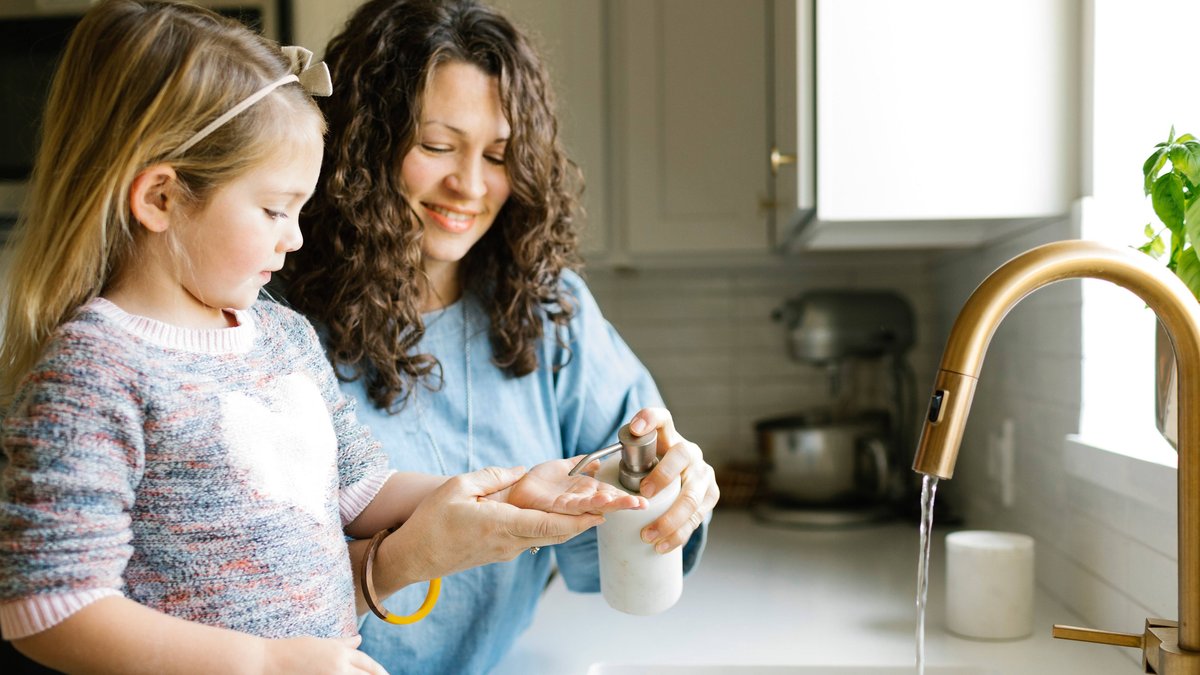
With the arrival of fall and winter, respiratory viruses pose a recurring health threat, making simple preventive measures essential.
Global Handwashing Day on October 15 highlights how basic hand hygiene interrupts germ transmission. After coughing, sneezing, or blowing your nose, respiratory droplets coat hands, turning them into carriers of illness.
Dr. Summer Allen, a Mayo Clinic family physician, recommends washing hands for 20 seconds with warm water and soap, ensuring scrubbing between fingers, under nails, and on all hand surfaces. This practice reduces spread of diarrheal and respiratory infections.
Dr. Allen emphasizes that hand hygiene supports broader wellness habits like adequate sleep and proper nutrition. She advises patients to discuss immunization options and healthcare goals with their primary care provider.
A common oversight occurs when people rush through handwashing or neglect certain areas. Dr. Allen notes individuals often forget to cover all hand surfaces or use a clean towel to turn off the faucet after washing.
When soap and water are unavailable, hand sanitizer with at least 60% alcohol serves as an alternative. Proper technique involves wetting hands first, applying soap, lathering vigorously for 20 seconds, then drying with a clean towel.
The Centers for Disease Control and Prevention recommends specific steps: scrubbing palms, backs of hands, wrists, and between fingers thoroughly. Under nails require special attention as germs accumulate there.
The Mayo Clinic reports that proper hand hygiene can reduce respiratory illness transmission by up to 25% in healthcare settings.
The 20-second wash duration matches the length of singing “Happy Birthday” twice. Both the CDC and WHO endorse this duration for effective pathogen removal.
Seasonal influenza affects millions annually, with the CDC estimating 8,000 to 65,000 deaths each year in the United States. Pneumonia also ranks among the top ten leading causes of death nationwide, highlighting why preventive hygiene measures matter significantly.
Experts stress that hand hygiene works best as part of a layered approach including vaccination, avoiding close contact when sick, and covering coughs and sneezes properly. No single measure provides complete protection, but together they substantially reduce risk.