Doctors often struggle to treat glioblastoma because they cannot see the entire tumor. This aggressive brain cancer frequently extends beyond what a standard MRI reveals, making it hard to target treatment precisely. Just 5% to 7% of patients survive five years after diagnosis.
Limitations of standard imaging
A standard MRI with contrast shows doctors where the tumor appears to be, but cancer cells can creep into the surrounding brain tissue beyond what is clearly visible. Dr. William Breen, a radiation oncologist at Mayo Clinic, explains that this invisibility creates a major hurdle for effective care.
“In over half of patients, we find a tumor more than a centimeter beyond the standard MRI-defined tumor, and in 20% of patients, we find a tumor more than 2 centimeters beyond the standard MRI-identified tumor,” Dr. Breen says.
In order to visualize additional tumor tissue, scientists are pairing cutting-edge MRI methods with experimental PET imaging. The combined studies reveal varied indicators—regions of high cellular concentration, heightened perfusion, or zones suggesting more aggressive cancer behavior. By merging these data, physicians obtain a richer map of the tumor’s boundaries and possible spread.
This multidisciplinary approach brings together experts across Mayo Clinic, including neurosurgeons, radiation oncologists, neuro-oncologists, neuroradiologists, and nuclear medicine specialists. “I think our strength at Mayo Clinic for treating glioblastoma is the multidisciplinary team,” Dr. Breen says.
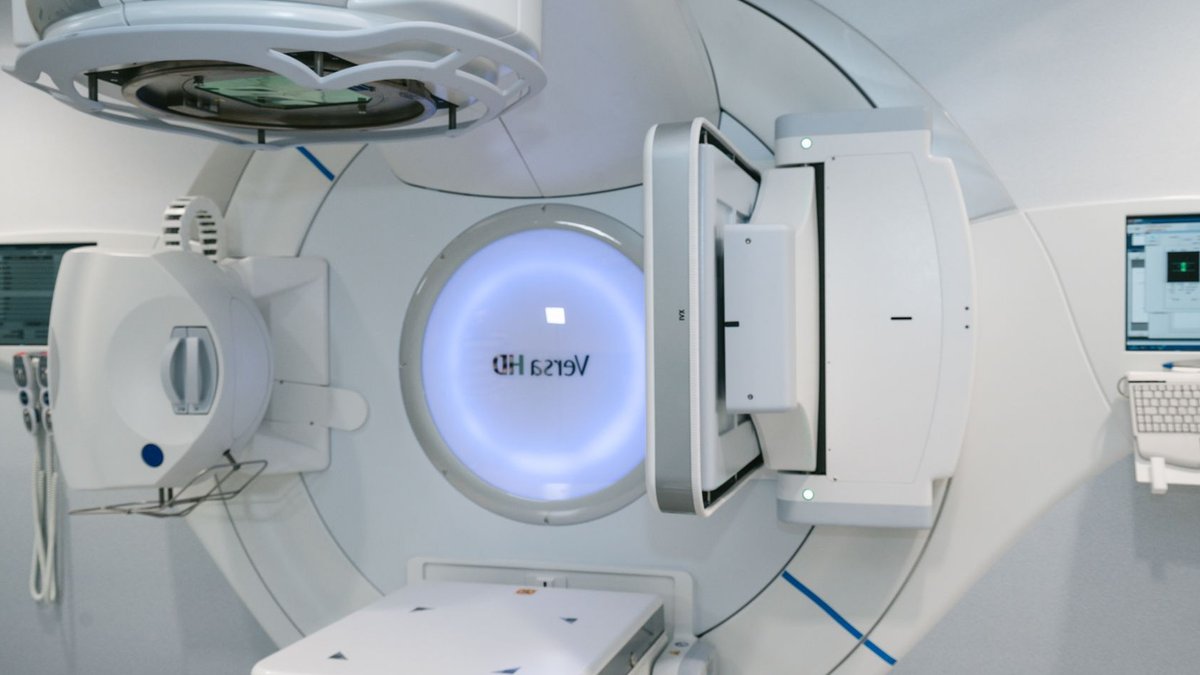
Since glioblastoma often infiltrates tissue beyond the limits shown on standard MRI, radiation plans typically add a safety buffer around the apparent lesion to capture unseen malignant cells. More precise imaging may allow clinicians to pinpoint those extensions and adjust the radiation field. For some patients, that could mean treating a smaller area of the brain and reducing radiation exposure to healthy tissue.
Improved targeting could permit delivery of a larger radiation dose per session and shorten the overall course. Dr. Breen observes that, for some individuals, the regimen has been compressed from a three-to-six-week schedule to just one or two weeks. The result is fewer hospital visits and additional days spent at home.