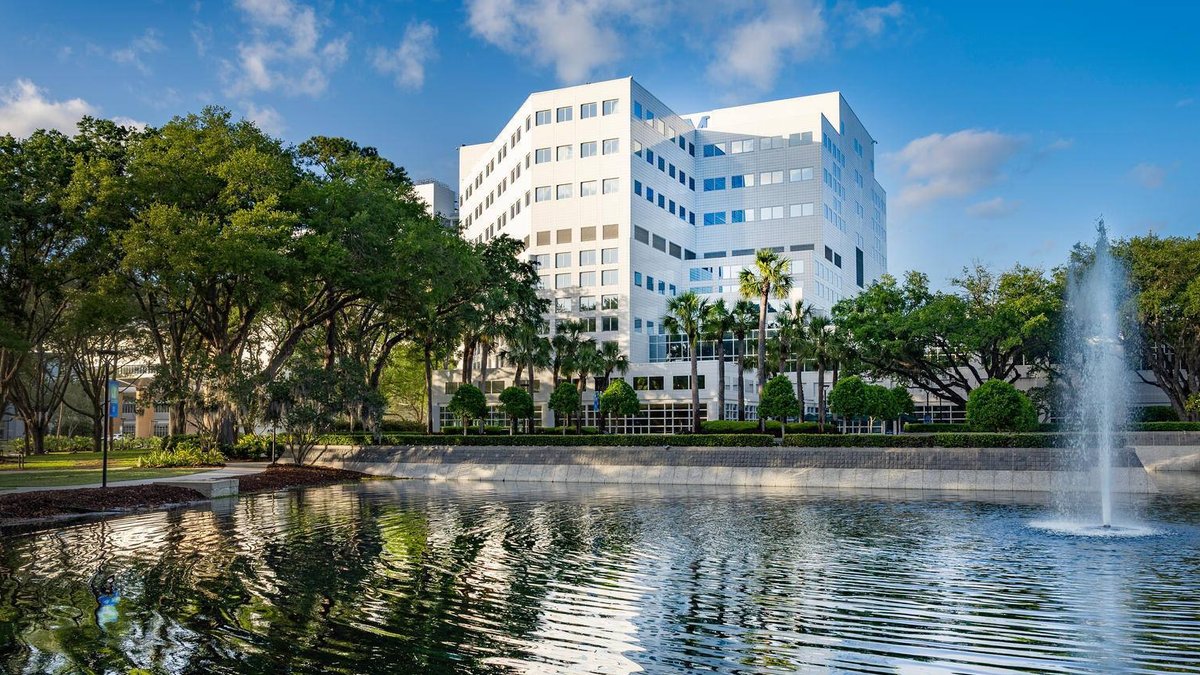
Mayo Clinic in Florida is celebrating 40 years of transforming care and shaping the future of healthcare. The clinic opened its doors to patients on October 13, 1986, with 35 physicians and 145 support staff. Today, it employs nearly 12,000 staff members across 50 specialty areas, providing diagnostic, medical, surgical, and specialty care.
The clinic has grown into a global medical destination, serving more than 184,000 patients from over 80 countries each year. Mayo Clinic in Florida is ranked the No. 1 hospital in Florida and is nationally recognized in eight specialties in U.S. News & World Report’s 2026-2027 “Best Hospitals” rankings.
Recognition and Achievements
For the first time this year, Mayo Clinic in Florida earned a place on the Honor Roll, recognizing the nation’s top 20 hospitals. Newsweek also recognized the clinic as the No. 1 hospital in the Southeast in its “World’s Best Hospitals” rankings. According to Kent Thielen, M.D., CEO of Mayo Clinic in Florida, “the dedication, resilience, and ingenuity of our teams have driven remarkable progress” in advancing new treatments and redefining what’s possible for patients.
Mayo Clinic in Florida remains committed to investing in its people, facilities, and innovative technologies to enable the delivery of high-quality care. The clinic’s primary value is that “the needs of the patient come first.” Over the past decade, Mayo Clinic has invested more than $1 billion in campus development, more than doubling its physical footprint.
Facilities and Research
Recent campus achievements feature the launch of the Lee Ringhaver Tower, a five-story hospital addition equipped with sophisticated automation and digital patient-care technology. The Duan Family Building also contains the region’s first carbon-ion therapy system and equipment that can deliver both carbon ions and protons to a single cancer tumor.
The organization has opened a downtown Jacksonville site devoted to public-health education, participation in clinical trials, community outreach, and biomedical research. In addition, a $50 million contribution from Gilchrist and Amy Berg hastened the Mayo Clinic Innovation Exchange, a program that links innovators with the clinic’s expertise and resources.
Mayo Clinic’s Florida Transplant Center completed its 10,000th transplant, marking a significant milestone in the growth and maturation of the program. A research agreement with Carnegie Mellon University aims to bioengineer new approaches to organ transplantation and address long-standing barriers to successful transplantation.