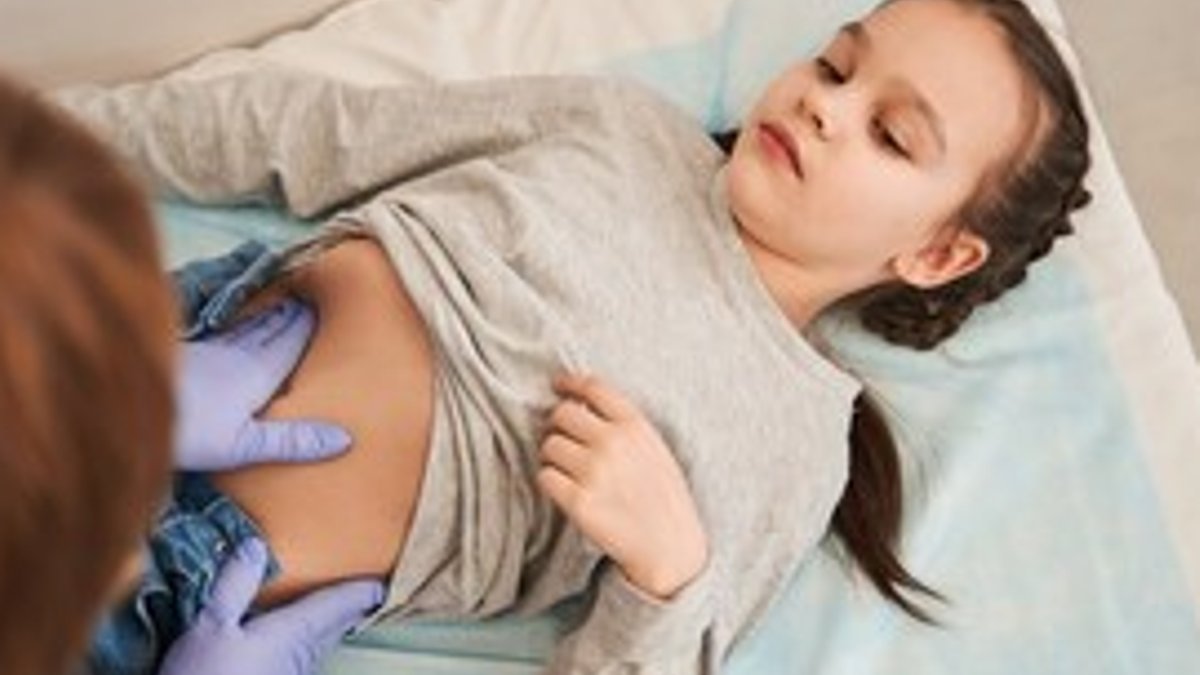
To prevent potential shortages, South Korea is set to subsidize the cost of Samjin Pharmaceutical’s lorazepam injection, a critical medication used to halt prolonged seizures, including the life-threatening condition known as status epilepticus.
Beginning in November, this injection will be incorporated into a government initiative designed to keep essential medicines available on the market. Additionally, the Ministry of Health and Welfare will revise reimbursement rates for 14 other drugs, such as the cancer treatments Holoxan and Endoxan.
Financial Benefits of Domestic Seizure Treatment
The ministry projects that sustaining domestic production of the lorazepam injection could reduce national health insurance expenditures by approximately 20 billion won ($15 million) annually, compared to relying solely on imports.
This initiative supports affordable medicines critical for medical care but at risk of discontinuation due to production or import costs exceeding reimbursement rates. It enables price adjustments to reflect these expenses and ensure consistent supply. Recent updates increased the eligibility price threshold by 10 percent and prioritized medicines on the national essential list. Cost evaluations now factor in rising production expenses and facility investments, with an additional 10 percent premium for reasonable profits. The preferential pricing rate for manufacturers significantly contributing to production rose from 45 percent to 50 percent.
New Manufacturer Secured
Samjin’s lorazepam injection is administered in pediatric and emergency settings to manage seizures. Its domestic availability was previously at risk due to reliance on a single production facility.
Shortage concerns emerged after the previous manufacturer announced plans to discontinue the product last year. The ministry collaborated with other agencies to find a new manufacturer, transfer product rights, and complete regulatory and reimbursement processes.
Samjin’s injection received regulatory approval in May and national health insurance coverage in July. Its inclusion in the prevention program in November will offer additional pricing support to sustain domestic production.
The ministry estimates that maintaining domestic supply through this program will cost about 3.5 billion won annually, compared to an estimated 23.5 billion won if the entire supply were imported.
Separately, the government will adjust reimbursement prices for 14 products, including Holoxan and Endoxan injections, used to treat cancers like lymphoma, multiple myeloma, leukemia, and breast cancer. Rising raw material and transportation costs have heightened concerns about supply disruptions for these imported drugs.
“Essential medicines used in clinical practice, including those covered by the withdrawal prevention program, must receive the highest supply priority to protect people’s lives and health,” said Yoo Ju-heon, director general for health insurance policy at the ministry.
“We will continue working to secure stable supplies of essential medicines at risk of shortages,” he added.