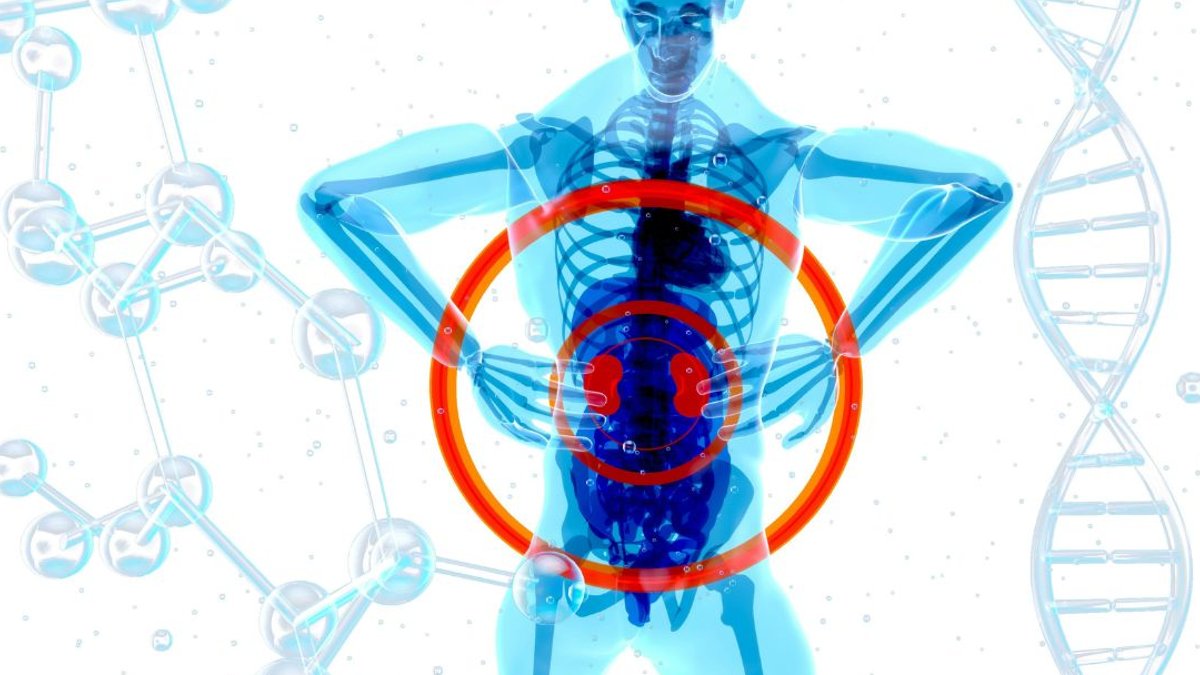
Kidneys are vital organs that work tirelessly to cleanse the blood and regulate body fluids and blood pressure, but they often go unnoticed until they encounter difficulty. The problem is that kidney damage can start insidiously, creeping in through tiny habits that seem harmless.
One of the main reasons kidney clinics remain busy is that people often do not realize the impact of their daily habits on their kidney health. Texas kidney clinics, along with nephrology RCM, are no exception.
Everyday Habits That Hurt Kidneys
Popping painkillers like ibuprofen and naproxen can be a major culprit. While they are great for headaches or sore backs, taking them often and at high doses can cut blood flow to the kidneys and slowly damage them. The habit of taking them every day “just in case” or doubling up with cold medicine can be particularly problematic.
To avoid this, it is essential to read the label and check if the cold or flu medicine already contains an NSAID. If you are taking a pain reliever most days, ask your pharmacist if it is okay. And if the pain persists, consult your doctor, especially if you have diabetes, high blood pressure, or heart trouble.
Not drinking enough water, especially in hot climates like Texas, can also be detrimental to kidney health. Yard work, outdoor activities, or working on a roof or road crew can cause significant sweating, and if the lost water is not replaced, the kidneys can suffer.
A simple way to check if you are drinking enough water is to look at the color of your urine. Pale yellow is a good sign, while dark urine, similar to apple juice, indicates that you need to drink more water.
Diet and Kidney Health
What you eat and drink can also impact your kidney health. While the salt shaker is often blamed, most salt actually comes from food that is already salty, like turkey sandwiches or canned soup. Restaurant meals tend to be the worst offenders.
Salt can push blood pressure up, and high blood pressure can wear down the kidneys over time. Additionally, consuming sugary drinks like soda can increase the risk of diabetes, which is a leading cause of kidney disease.
Making small changes, like packing lunch or swapping soda for unsweetened tea, can help reduce the risk of kidney damage. It is not necessary to give up favorite foods entirely, but being mindful of salt and sugar intake can make a significant difference.
Brushing off high blood pressure and blood sugar readings can also be detrimental to kidney health. These conditions can chip away at the kidneys without causing any noticeable pain, making regular check-ups and monitoring essential.
Smoking and heavy drinking can also harm the kidneys by damaging blood vessels and increasing blood pressure. While it is not necessary to lecture on the dangers of these habits, it is essential to recognize the impact they can have on kidney health.
Taking supplements without consulting a doctor or pharmacist can also be problematic, as some supplements can be linked to kidney damage or interact with prescription medications.
One of the easiest habits to build is to run new supplements past a pharmacist before taking them, especially if you are already on prescription medication. This simple step can save a lot of grief and help protect kidney health.
Researchers have been studying kidney damage in outdoor workers who spend long, hot days without enough to drink.
Importance of Regular Checkups
Regular checkups are essential for monitoring kidney health. A blood test called eGFR and a urine test called UACR can show what is going on long before any symptoms appear. People with diabetes, high blood pressure, or kidney trouble in the family should ask for these tests.
Getting to a checkup can be challenging, especially in small Texas towns where the nearest clinic may be far away. Many clinics rely on medical RCM support in Texas to manage their workload and focus on patient care.