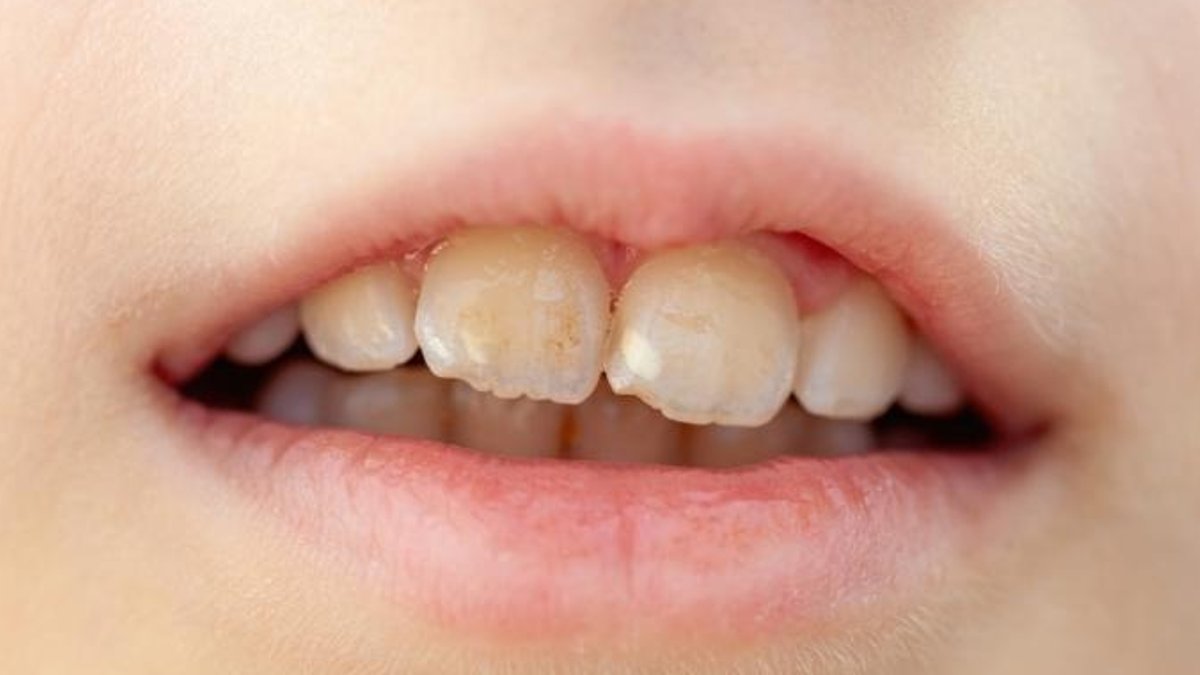
When acids—whether from food, beverages, or digestive issues—break down its mineral content over time, irreversible damage occurs, exposing the softer dentin beneath to heightened sensitivity and decay risks.
Unlike bone, tooth enamel has no living cells to rebuild damaged tissue, meaning it cannot be regrown. However, early mineral loss can sometimes be repaired through remineralization before permanent damage occurs. Enamel erosion is different from tooth decay, which develops through a process involving bacteria and acids.
Main Causes of Enamel Erosion
Several factors can contribute to enamel erosion, including frequent consumption of acidic foods and drinks, acid reflux and digestive problems, reduced saliva production, and aggressive brushing habits. Citrus fruits, fizzy drinks, sports drinks, and fruit juices contain acids that can gradually soften enamel, while occasional consumption is usually less severe than repeated exposure to acids throughout the day.
Acid reflux and digestive problems, such as gastroesophageal reflux disease (GERD), can allow stomach acid to flow back into the esophagus and reach the mouth, damaging tooth enamel. Frequent vomiting due to a health condition can have similar effects. Reduced saliva production, which can be caused by dehydration or medical conditions, decreases the natural protection of teeth against acid exposure.
Aggressive brushing habits, such as brushing too hard or using a hard-bristled toothbrush, can contribute to physical enamel wear, especially when combined with frequent consumption of acidic foods and drinks. Understanding these causes can help individuals protect their teeth before serious problems arise.
Read Also: GLP-1 drugs lower kidney failure risk in bipolar
Early Signs of Enamel Erosion
Enamel erosion may not always cause pain immediately, so it is essential to look out for certain changes that may indicate tooth enamel loss. Common warning signs include increased sensitivity, yellowish discoloration, smooth or rounded edges, transparent edges, and small indentations on chewing surfaces. These symptoms can have other causes, so a dentist should assess noticeable changes rather than relying on appearance alone.
Increased sensitivity can manifest as discomfort when eating or drinking hot or cold food and drinks, while yellowish discoloration can make teeth appear more yellow as the enamel thins and underlying dentin becomes more visible. Smooth or rounded edges can cause teeth to lose their original shape, and transparent edges can make the tips of front teeth appear unusually translucent. Small indentations, or shallow cup-shaped areas, can develop on chewing surfaces, indicating enamel erosion.
Regular dental appointments can help identify enamel erosion at an early stage, allowing for prompt intervention.
Prevention and Maintenance
To maintain healthy teeth and prevent enamel erosion, it is essential to brush gently and at the right time. Brushing twice daily with a soft-bristled toothbrush and gentle pressure can help remove plaque and bacteria without damaging the enamel. Holding the brush at an angle toward the gumline and using small, controlled movements can also help prevent wear and tear on the teeth.
Avoiding rinsing after brushing can give fluoride and other minerals enough time to work on the teeth, helping to strengthen and protect the enamel. Making small changes to diet and lifestyle, such as drinking plain water after eating acidic foods or limiting sugary and carbonated beverages, can also help reduce the risk of enamel erosion.