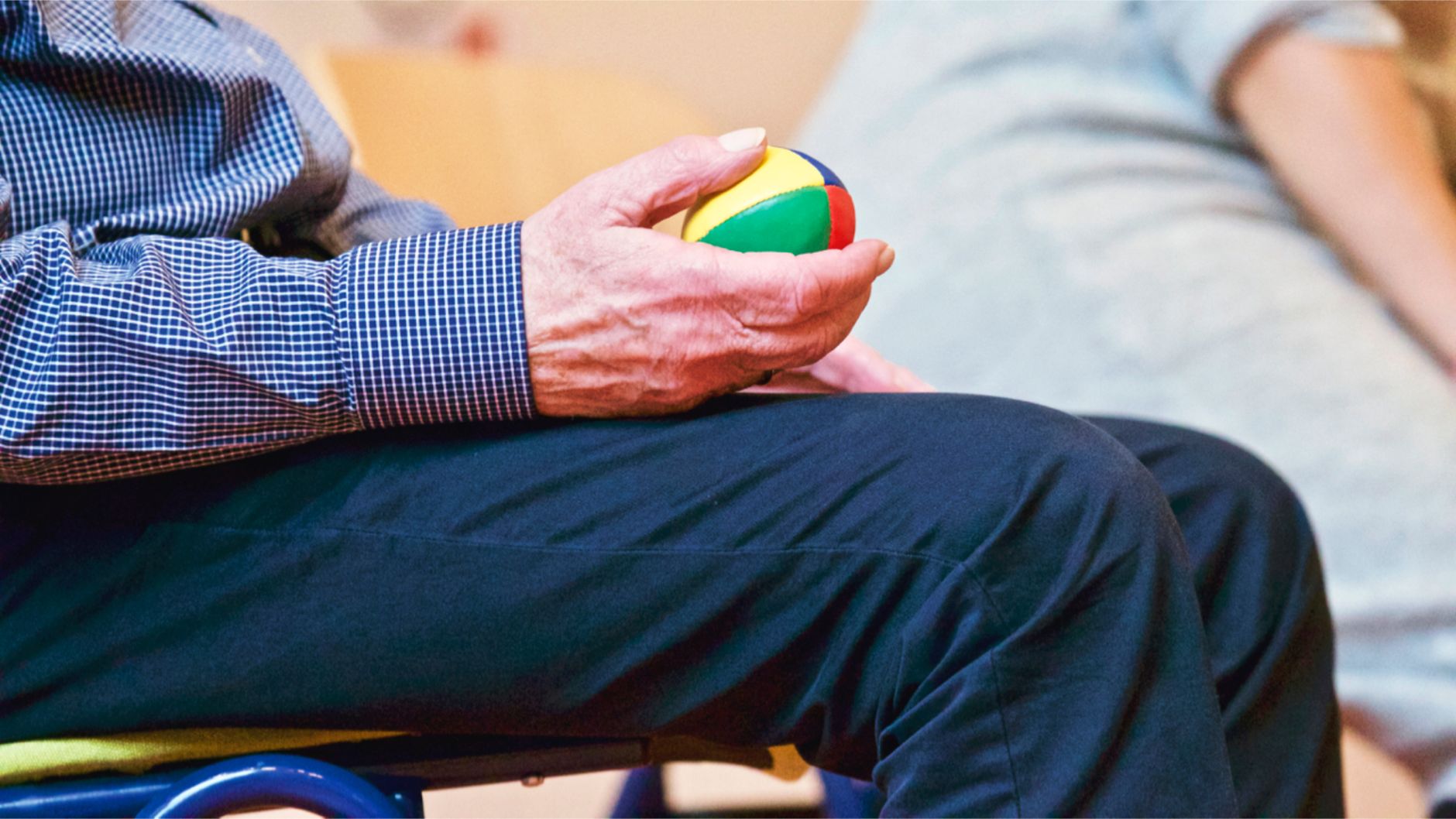
Updated guidance recommends personalized stroke rehabilitation begin within 48 hours, addressing cognitive, language, mental health, and functional needs. The new recommendations, published in the journal Stroke, replace previous standards from 2016 and place a heavy emphasis on early intervention. The American Stroke Association and American Heart Association argue that personalized assessment is a vital part of care to help patients regain independence as quickly as possible and attain a high quality of life.
Starting Treatment Early
One of the primary messages of the new guideline is that rehabilitation should begin during the acute phase, within 48 hours if at all possible. The rehabilitation program should be personalized, taking into account the individual’s cognitive, language, and mental health needs. Clinicians should also continue monitoring for post-stroke complications and related conditions such as depression and anxiety. Continual assessment is recommended because there is evidence that people go home and get worse. “That’s not because they’re having another stroke. They get less functional after they go home because they go home and sit,” explained Lorie Richards, PhD, an associate professor in the Department of Occupational and Recreational Therapies at the University of Utah.
Related: New noninvasive tests simplify MASLD, MASH detection
Dr. Richards stressed that the goal of rehabilitation is not only reducing impairments but helping people learn compensatory strategies as well. “Both are equally important,” she said. The guideline also urges clinicians to engage and train caregivers early while supporting lifelong rehabilitation strategies that maintain function, activity, and quality of life.
Mental Health Screening
Attention to mental health is important for physical recovery as well. “If we’re not addressing post-stroke depression and post-stroke anxiety, which are both common and treatable complications, it can interfere with successful rehabilitation as well as quality of life,” said Nneka Ifejika, MD, MPH, vice-chair of the writing group. A patient who has depression is less likely to follow through with the physical therapy program or home exercise plan.
The guideline update makes specific recommendations about medications for anxiety and depression. It identifies benzodiazepines as potentially harmful for treating post-stroke anxiety because of the risk for cognitive impairment, falls, and fall-related injuries. The guideline does not recommend the prophylactic use of antidepressants for routine prevention of post-stroke depression. Screening for depression and anxiety should continue once the patient has been discharged.
Related: Oncologists Warn of Widespread Chemotherapy Shortages
Supporting Families and Caregivers
Stroke affects more than just the person who suffered the event. It impacts their family members, their caregivers, and their relationships. The guideline emphasizes support for family and caregivers, urging clinicians to engage caregivers as early as possible and keep them involved. This requires not only educating caregivers, but training them as well.
Caregivers have to be trained in how to help their person, how to interact with them in the case of cognitive impairments, or how to physically help them. This may need to be done more than once. “When people are in crisis, the brain doesn’t take in information in the way it does when you’re calm and everything’s going right,” Dr. Richards explained. Family is critically important to keep a person engaged and active, particularly since many individuals become socially withdrawn after a stroke.