Managing polycythemia vera (PV) requires balancing daily life with medical appointments. The goal is to lower blood counts, reduce complications, and maintain a normal routine. For those beginning or continuing treatment, understanding what to expect can help patients and families prepare for the road ahead.
What Is Therapeutic Phlebotomy?
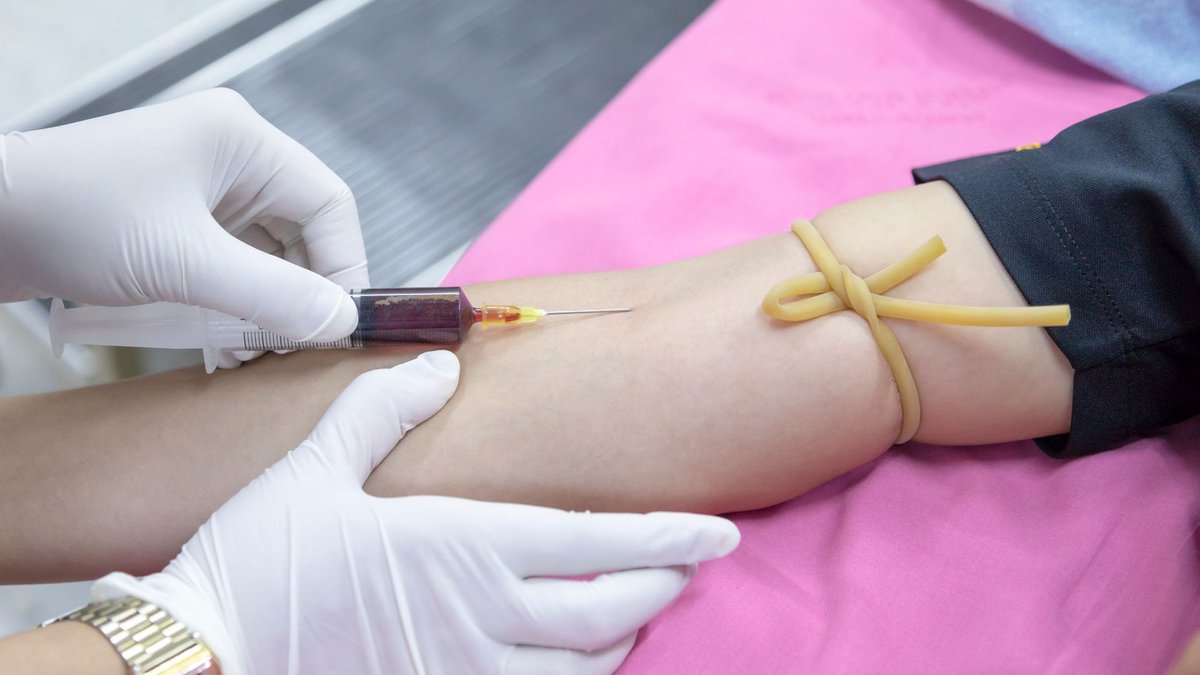
Therapeutic phlebotomy is often the first approach for PV. A provider removes about a pint of blood to lower hematocrit below 45 percent. This percentage represents the volume of red blood cells in the blood. Lowering hematocrit makes the blood thinner, which reduces the risk of dangerous clots.
This procedure is not a cure. It manages the disease by decreasing the proportion of red blood cells. While it resembles donating blood, it differs in key ways. The process is prescribed based on lab results, and the blood is not used for transfusion.
Doctors decide the frequency of phlebotomy according to health and test results. Schedules often change over time. Some people need sessions more frequently at first, then less often once counts are controlled. Requiring three or more phlebotomies in a year may signal inadequate disease control and the need for medication. However, experts note that this is a clinical judgment rather than a published rule.
Frequency is not the only factor in treatment decisions. Doctors also consider side effects, patient tolerance, and the impact on daily life.
Iron Levels and Medication Options
Phlebotomy removes red blood cells, which contain iron. Repeated sessions can lower iron stores over time. Low iron may cause fatigue or worsen existing tiredness. If a patient feels unusually exhausted, doctors check iron and ferritin levels. Ferritin is a blood test that measures stored iron in the body.
Medication becomes an option if hematocrit remains too high, if phlebotomy is needed often, or if the patient has a high risk of clots, an enlarged spleen, abnormal blood cell counts, or persistent symptoms despite phlebotomy.
Hydroxyurea is a common oral medication taken daily to lower high cell counts and reduce clot risk. It requires regular blood tests to monitor cell counts. Ropeginterferon alfa-2b (Besremi) is an injection given every two weeks. It helps control abnormal cell production. If blood counts stay stable for a year, the interval may extend to every four weeks. Common side effects include flu-like symptoms, joint pain, fatigue, and itching.
Ruxolitinib (Jakafi) targets an overactive pathway in certain blood cancers. It is an oral medication taken twice daily. The FDA approved it in 2014 for PV patients who do not respond to or cannot tolerate hydroxyurea. Anemia is a frequent side effect.
Rusfertide (Mimrylo) is a once-weekly subcutaneous injection approved in 2026 for adults with PV who need frequent phlebotomy. It may reduce the frequency of those sessions. Side effects include injection site reactions and anemia. Low-dose aspirin is also commonly prescribed to help prevent clots by making it harder for platelets to stick together. The standard dose ranges from 80 to 100 milligrams per day.
Patients may also qualify for clinical trials testing new treatments or new uses of existing ones. Trials can offer access to options when standard treatments are insufficient or unsuitable.
How Much Time Does PV Treatment Take?
Time is a factor that affects everyone involved in the care process. If a provider recommends phlebotomy, a person must visit a treatment facility for each session. The appointment itself may be brief, but check-in and lab work require extra time. Certain injections also require a visit, especially during the start of treatment or when doses are changing. Oral medications are taken at home, but follow-up visits and regular blood tests are still necessary. These check-ups ensure the treatment is working correctly.
Costs and Family Support
The financial side of treatment depends on several factors. The specific treatment, the location, and insurance coverage all play a role. To get an estimate of costs, a person can ask the care team for billing codes for the recommended treatments. Insurance companies use these codes to estimate what a patient may owe before treatment begins.