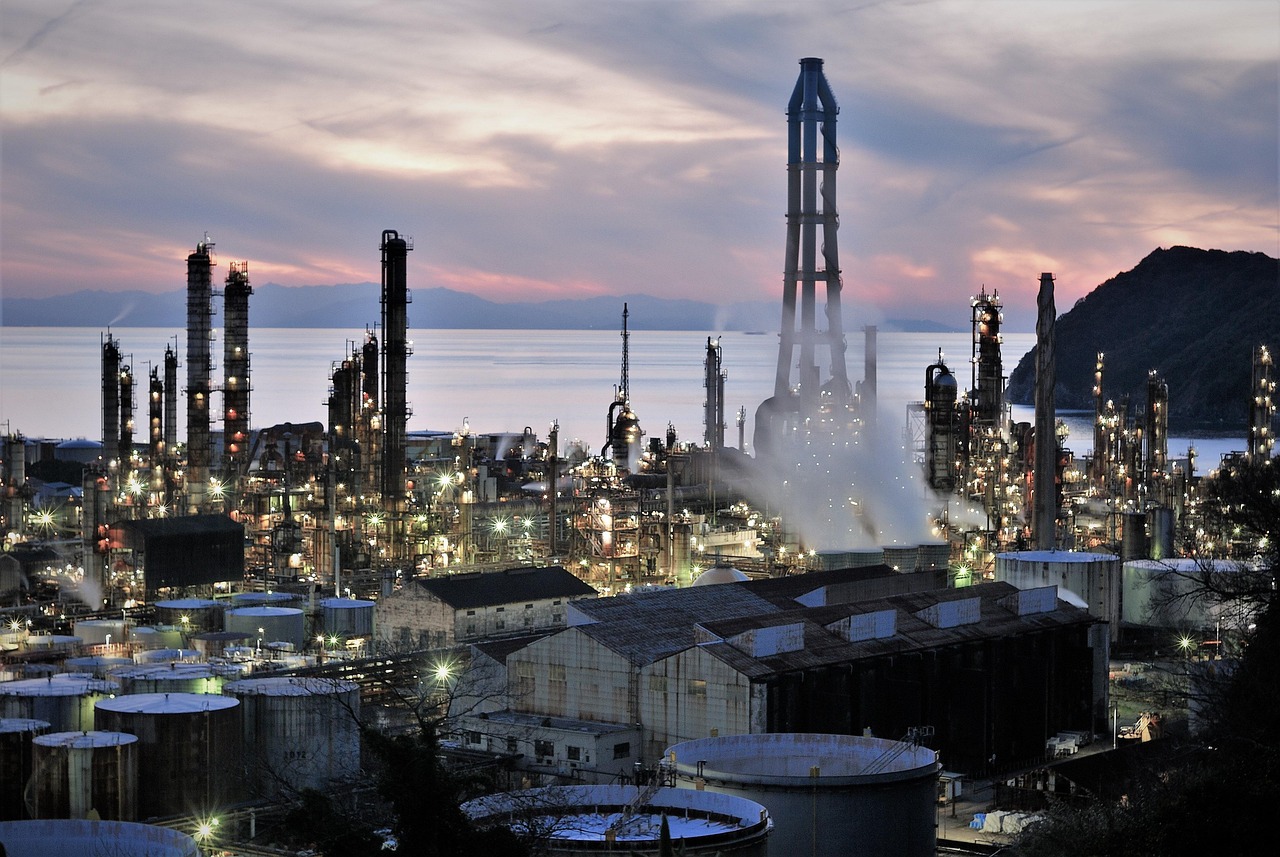
Russia’s largest oil refinery has stopped processing crude after a Ukrainian drone strike, two industry sources said, marking one of the deepest incursions into Russian territory since the war began nearly two and a half years ago.
Attack reaches deep into Siberia
The Omsk refinery, located in southwestern Siberia, was hit late Monday. The facility lies roughly 2,200 kilometers east of Ukraine’s border, making the attack one of the longest-range strikes Kyiv has launched during the conflict.
Anatoly Seryshev, President Vladimir Putin’s envoy to the Siberian Federal District, confirmed damage to the plant but said no workers were hurt. Restoration crews have begun assessing the site, though Seryshev did not specify how long operations would remain suspended.
Gazprom Neft, the state-controlled energy giant that owns the refinery, did not respond to requests for comment.
Nearly three-quarters of capacity offline
The strike disabled two of the refinery’s four primary crude distillation units. CDU-10, which handles about 38% of the plant’s daily capacity, caught fire and was damaged. A second unit, CDU-11, was not directly hit but lost critical network connections and was also shut down.
Related: Dixon and Rosenqvist Join Arrow McLaren
Together, the two units account for 75% of the refinery’s processing capability. CDU-11, which came online last year, may resume operations soon, the sources said. The plant has two older units, CDU-7 and CDU-8, that could theoretically be restarted, though they have been mothballed for years.
In 2024, the Omsk refinery processed about 22 million tons of crude—roughly 440,000 barrels per day—producing 5 million tons of gasoline and 8 million tons of diesel. The halt in production has already rippled through domestic fuel markets: trading data shows the refinery stopped selling gasoline and diesel on the Saint Petersburg International Mercantile Exchange on Tuesday.
The attack comes as Ukraine has stepped up strikes on Russian energy infrastructure, targeting refineries, storage depots, and pipelines in an effort to disrupt Moscow’s war economy. While previous drone attacks have focused on western Russia, Monday’s strike demonstrates Kyiv’s growing ability to reach deeper into the country’s interior.
Fuel shortages have been reported in several Russian regions in recent weeks, though officials have not publicly linked them to the Omsk shutdown. The refinery’s role as the country’s top gasoline producer means any prolonged outage could tighten supplies further, particularly as summer driving season peaks.
Restoration timelines remain unclear. Industry sources said damage assessments were still underway, and no estimate for a restart had been provided. The refinery’s remote location in Siberia may also complicate repair efforts, as specialized equipment and crews would need to be transported over long distances.